
Caring for critically ill and therefore very vulnerable patients, that suffer from faecal oozing, is a challenging and often complicated task, that demands a lot of time and resources.
Furine is the first non – invasive faecal catheter on the market.
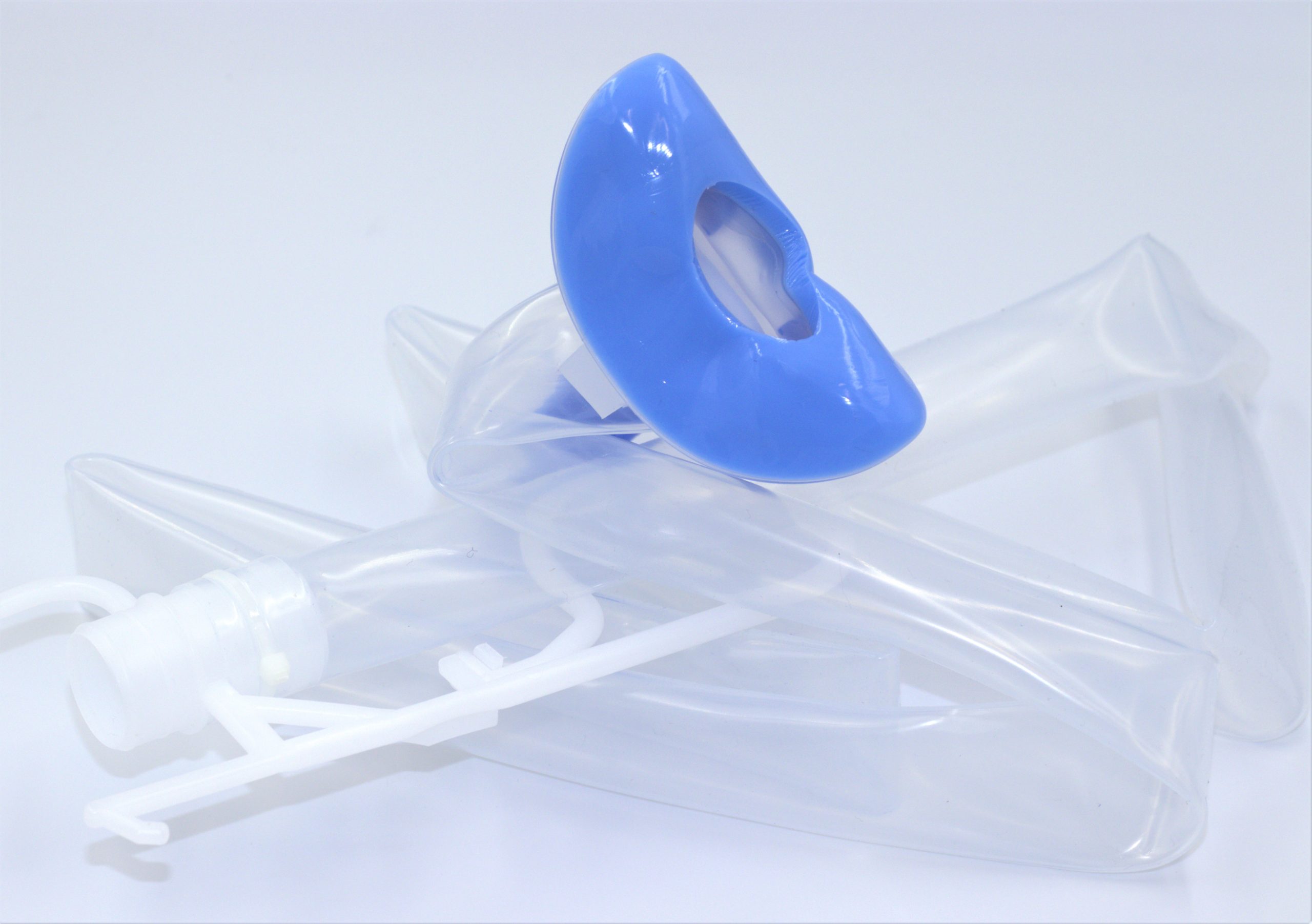
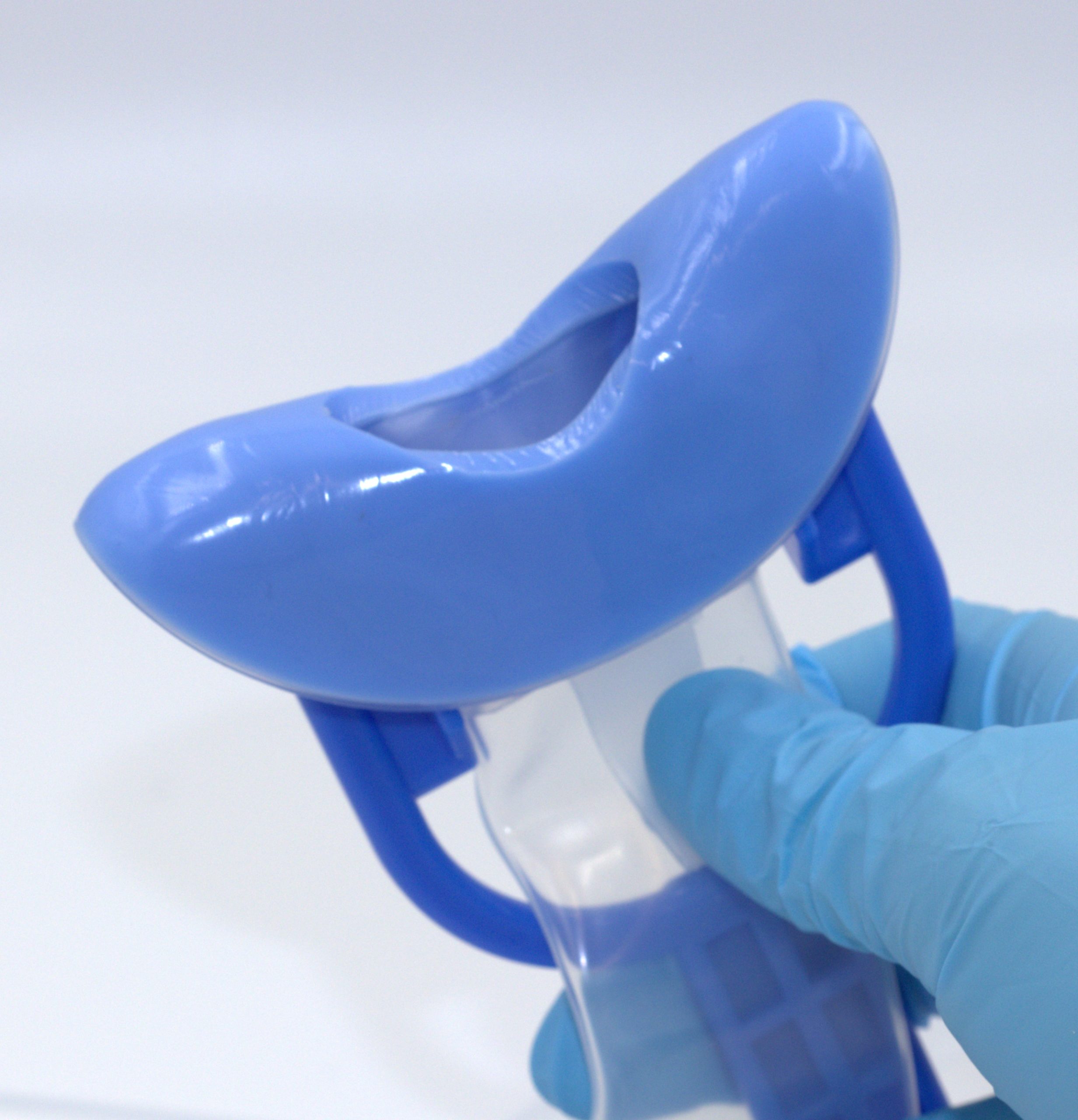
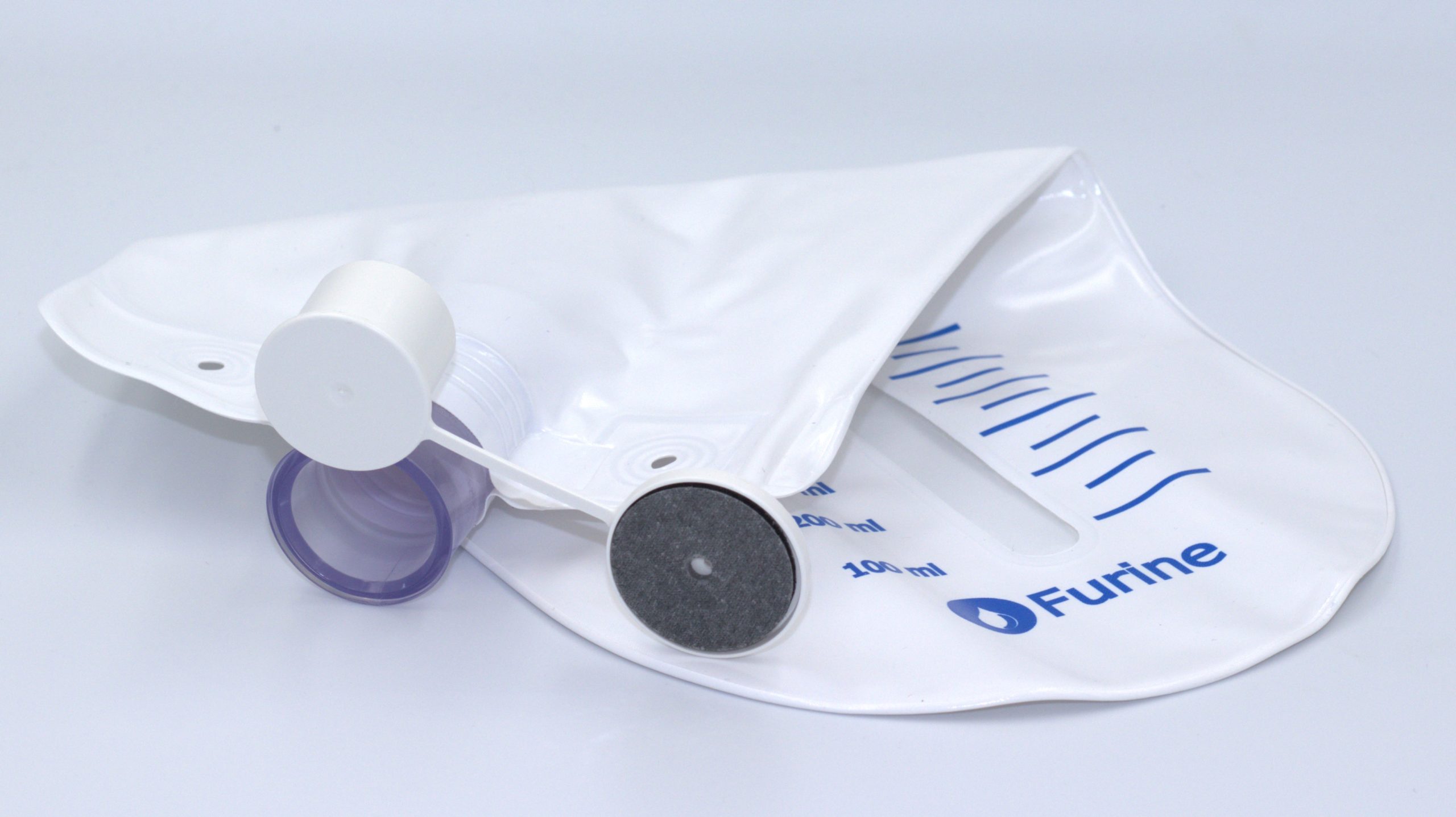
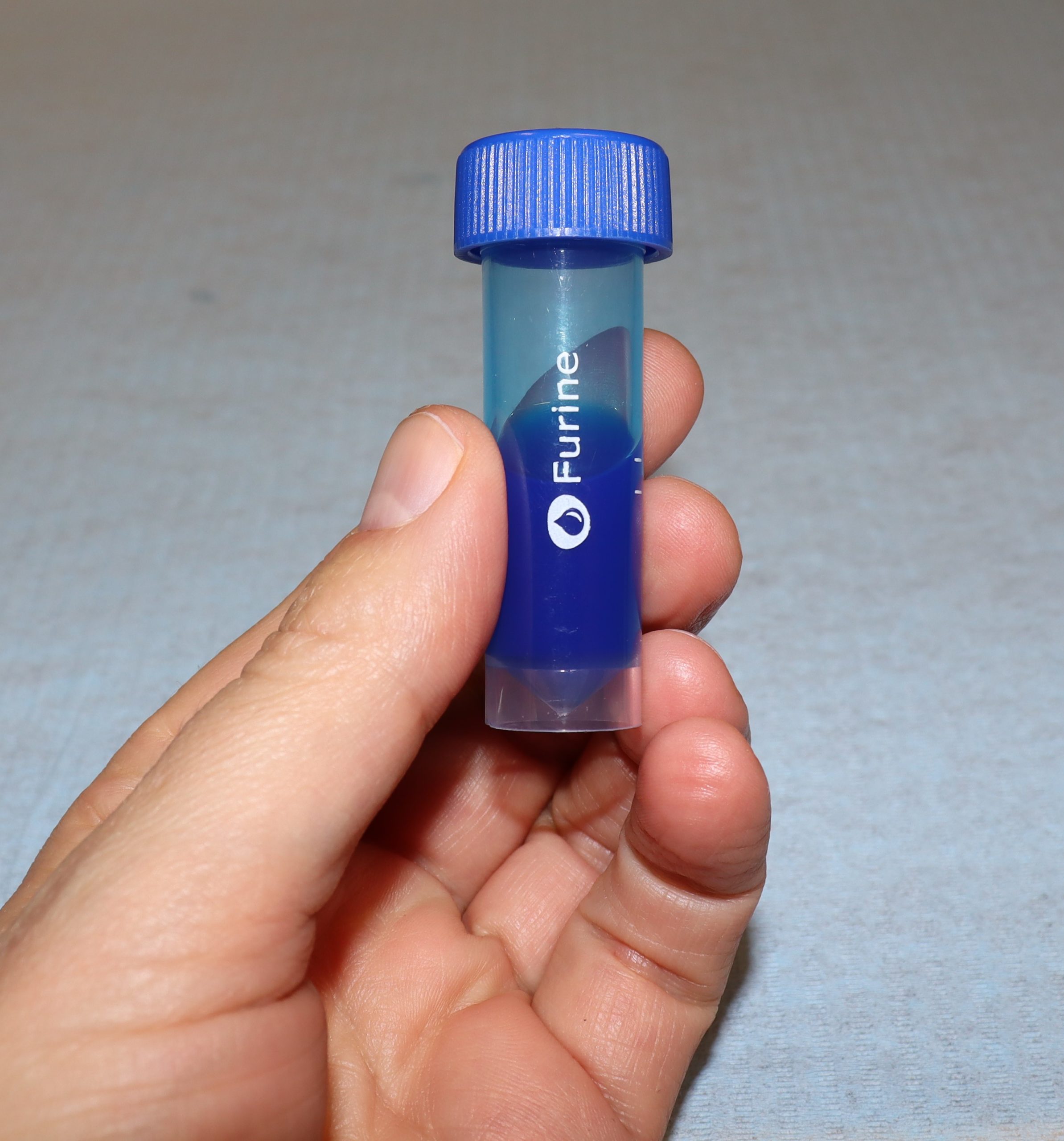
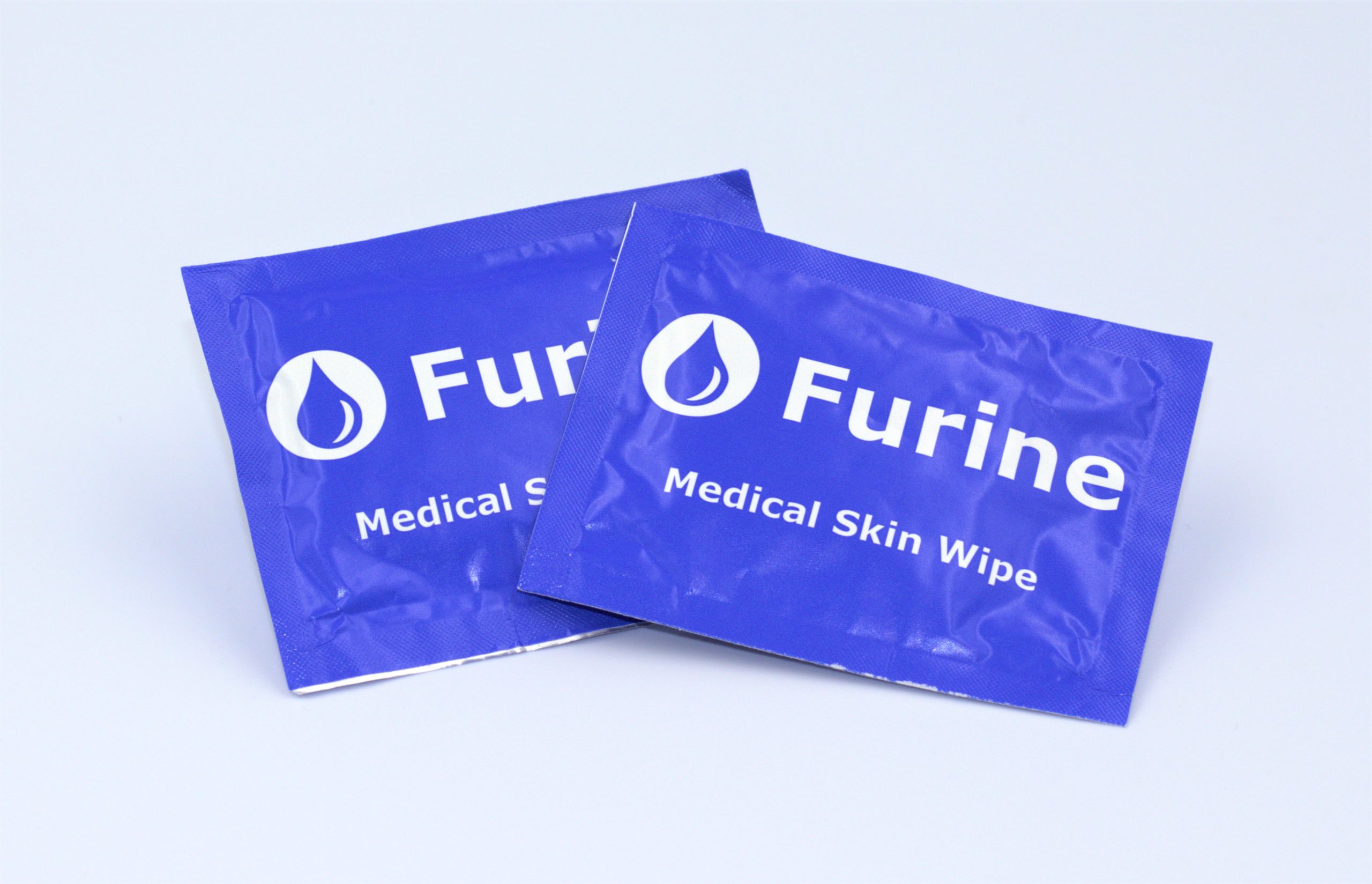
It is a unique, low-cost and non-invasive device, that allows nurses to care for critically-ill patients. It comprises of two physical elements; a flange with a soft, silicone adhesive to stick to the patient’s skin and silicone tubing with an attached collection bag and charcoal filter. Also included in the set are; two medical wipes to prepare the skin before application of the Catheter, the Furine Adhesive Barrier Film, which creates a protective barrier on the skin and enables the bond between the Catheter and the skin, and Catheter Applicator for ease-of-use.
With a focus on the patient, Furine´s products are developed improve the safety and comfort of the patient. Furthermore, they help to ease the caregivers’ workload, and support hospitals and health care systems in cost-effectiveness.
When Furine is used on the patient
-
The Nurse can assess the patient’s needs, and how she can help him and guard his dignity and integrity
-
No physical discomfort due to faecal oozing
-
Cuts risk of infection
-
The patient has a better quality of life and less of negative impact on self-image and emotions
-
No odour
| CODE | DESCRIPTION | UNIT |
|---|---|---|
| B05UK22 | Furine External Catheter Kit | 1 Box |
| B06UK22 | Furine External Catheter Kit with Odour Control | 1 Box |
| A00UK11 | Furine Medical Skin Wipe | Box of 30 |
| A01UK10 | Furine Medical Adhesive Remover Spray | Box of 6 |
| B20UK10 | Furine Adhesive Barrier Film | Box of 5 |
| B10UK10 | Furine Faecal Collection Bag | Box of 10 |
External Faecal Catheter is non-invasive and has a skin-friendly, strong two component silicone adhesive system, that attaches the catheter to the perianal skin.
The adhesive attachment flange of the catheter consists of a unique, soft, and elastic silicone, that is developed to reduce the risk of pressure ulcers, and to ensure the comfort of the patient.
Furthermore, the flange is formed to fit the perianal anatomy.
Additional Features
- The soft and elastic adhesive silicone flange ensures patient comfort and reduced risk of pressure ulcers.
- External Faecal Catheter has an applicator that supports the application of the catheter and ensures proper attachment and bonding to the perianal skin.
- A silicone tube diverts the liquid stool to a collection bag, that can attach to the bedside with a secure locking mechanism.
- The collection bag is equipped with a charcoal filter to reduce to reduce odour.
- After ended use the collection bag can be securely closed with the attached lid eliminating the risk of spillage.
- The External Faecal Catheter Kit includes two Medical Skin Wipes used to prepare the skin before application, Adhesive Barrier Film which is part of the unique two-component adhesive system and a Faecal Collection Bag.
Acute Faecal Incontinence Associated with Diarrhoea

Pentland & Furine joint webinar from 2021
Furine training
How to repair leakages with Adhesive barrier film
It can be applied straight away. Important to check the skin first but a new one can be applied straight after this.
Yes, it is possible. This can be done by taking a specimen from the bag or the tubing. It is best to do this when the bag is ready to be changed for health and safety reasons. No access tube is available specifically for this, to keep costs down. It is something that could be added in the future.
Furine does not have port to flush the system. The nurses who are using this in Denmark say this isn’t needed due to Furine having a large lumin (tubing). However, should you ever need to do this, you can manually push the faecal matter through the tube.
No, we do not recommend that Cavalon is mixed with our ABF because ours is designed to work with silicone others like Cavalon are not designed for this purpose.
The statement about 3-5 days applies to the catheter itself and not the bag. According to your earlier email, you are changing the bag daily and this is good practice. We also recommend that the entire set is replaced after 5 days if the patient is in for this long and it is necessary to do so. This is to check up on the skin status regularly. Sometimes the catheter sits so well on the skin, that the nurses may be tempted to let it stay on longer than 5 days. This is of course their decision, but our recommendation is to change it. When we say 3-5 days, it is because the catheter may fall off before 5 days have passed. If it falls off after three days, I recommend changing the entire system.
Yes, if you needed to replace the catheter, then ultimately it would increase the overall cost per patient. To the best of my knowledge (and perhaps more applicable to normal COVID-free times), the average patient stay in ICU is 3-4 days, so in many cases, one catheter should be enough for a single patient. If we are looking at the cost implications of replacing catheters, I would consider the alternatives and, if it is the invasive catheter, then using 2 x Furine catheters should still be less expensive. From what I can gather, Furine is roughly one-third the cost of an invasive catheter.
Sometimes the catheter (the flange) may begin to loosen from the skin after a day or so. This could be because the tube has been positioned so that there has been a pull on the tube. It could also be because the skin was not completely intact before the
application of the catheter, which in turn causes the skin to be moister. If moist skin is the problem, it would be difficult to get a new Furine catheter to sit well.
In the cases where the catheter has begun to detach from the skin, it is often possible to fix the area that has lost grip on the skin by applying more Adhesive Barrier Film. A catheter that has fallen off completely cannot be reused. In such a case, the skin needs to be re-
assessed to see if the cause of the detachment was moist or broken skin, in which case the External Faecal Catheter is not the right solution. If, on the other hand, the skin is intact and whole, a new External Faecal Catheter could very well be the best solution for the patient.


To talk to a member of our specialised team, call 0131 467 5764
News & Events
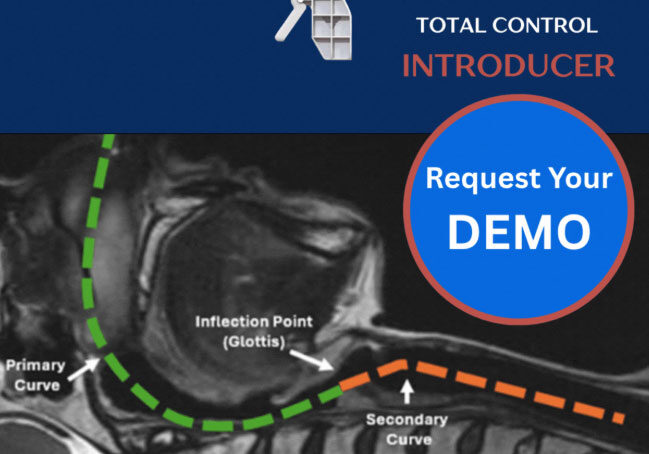
Webinar Recording Now Available: Dynamic Tracheal Access in the Video Laryngoscope Era
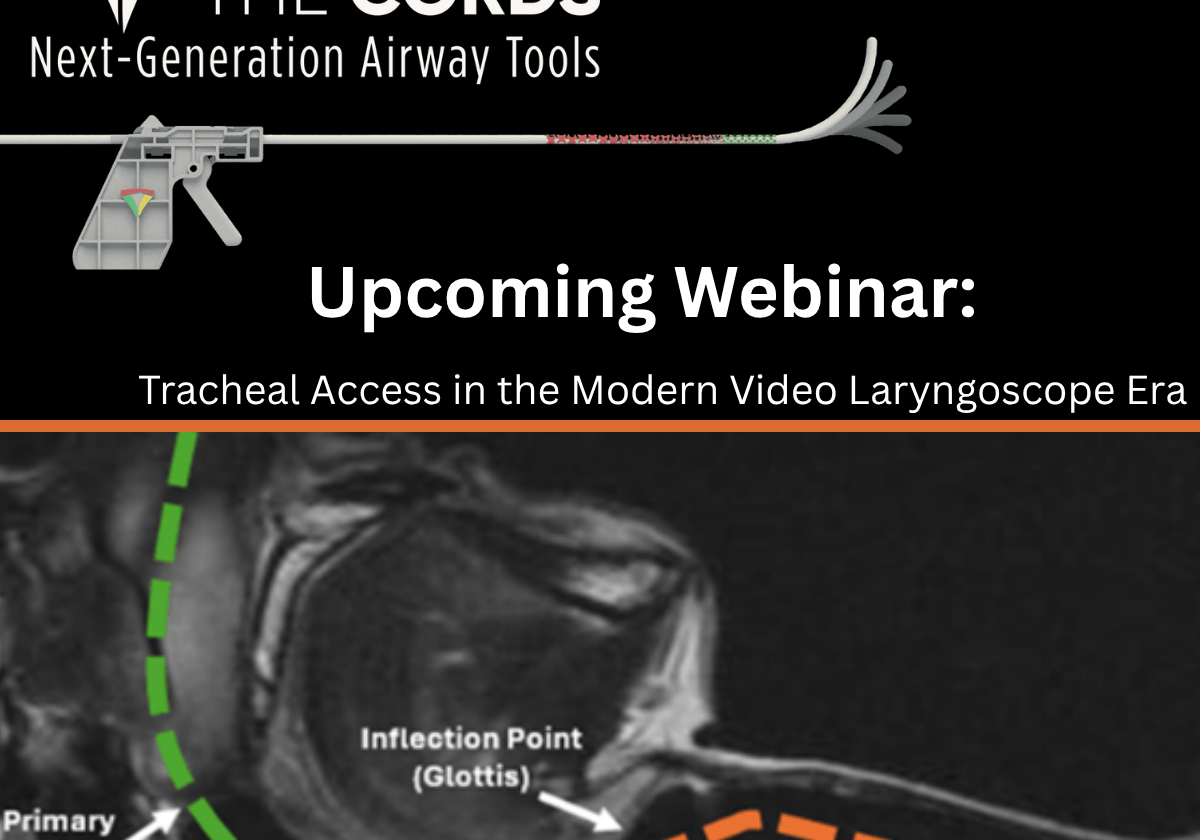
Upcoming Webinar: Tracheal Access in the Modern Video Laryngoscope Era
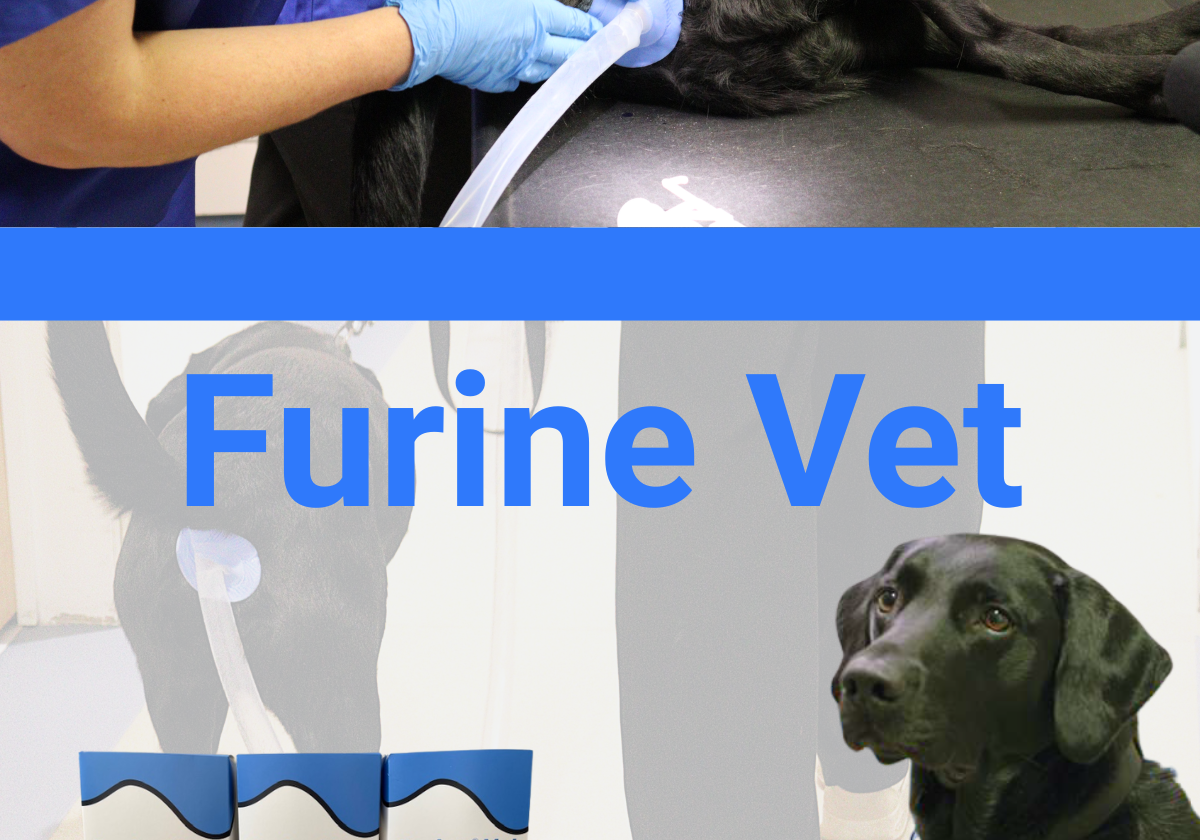
Furine Vet Non-Invasive Faecal Management System – Now Available at Pentland Medical

The year ahead, see you on the road in 2026
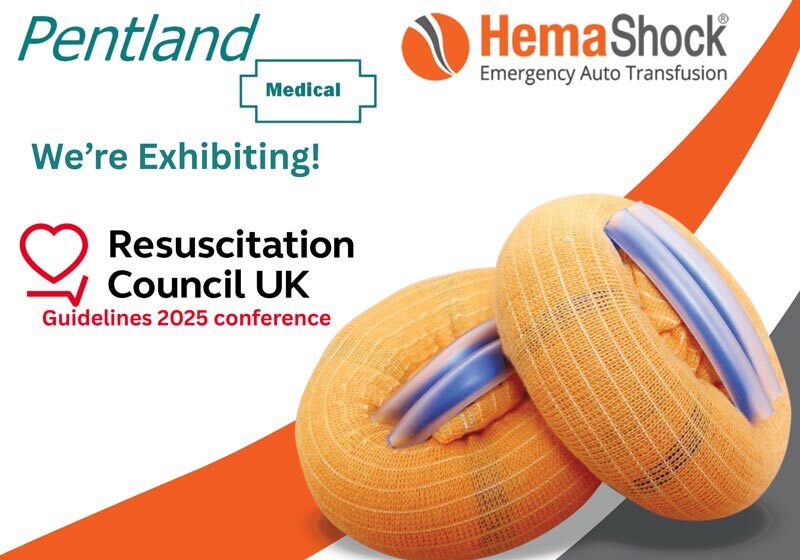
Join us at the RCUK Guidelines 2025 Conference for a live HemaShock demo